Model Citizen
What's the "Model Citizen" ESL Lesson About?
B1-B2 · General English
Main Objectives
- define the concept of a "model" in everyday contexts and analyze its application in social behavior
- identify and categorize four distinct personality types based on Gretchen Rubin’s "Four Tendencies" framework through targeted listening tasks
- evaluate the dangers of blind conformity and strict societal rules through a dystopian animated short film and critical discussion
Page by page
- Page 1Defining the "Model"
- Page 2The Four Tendencies & Audio Task
- Page 3"Model Citizen" Short Film & Dystopia
About This Lesson
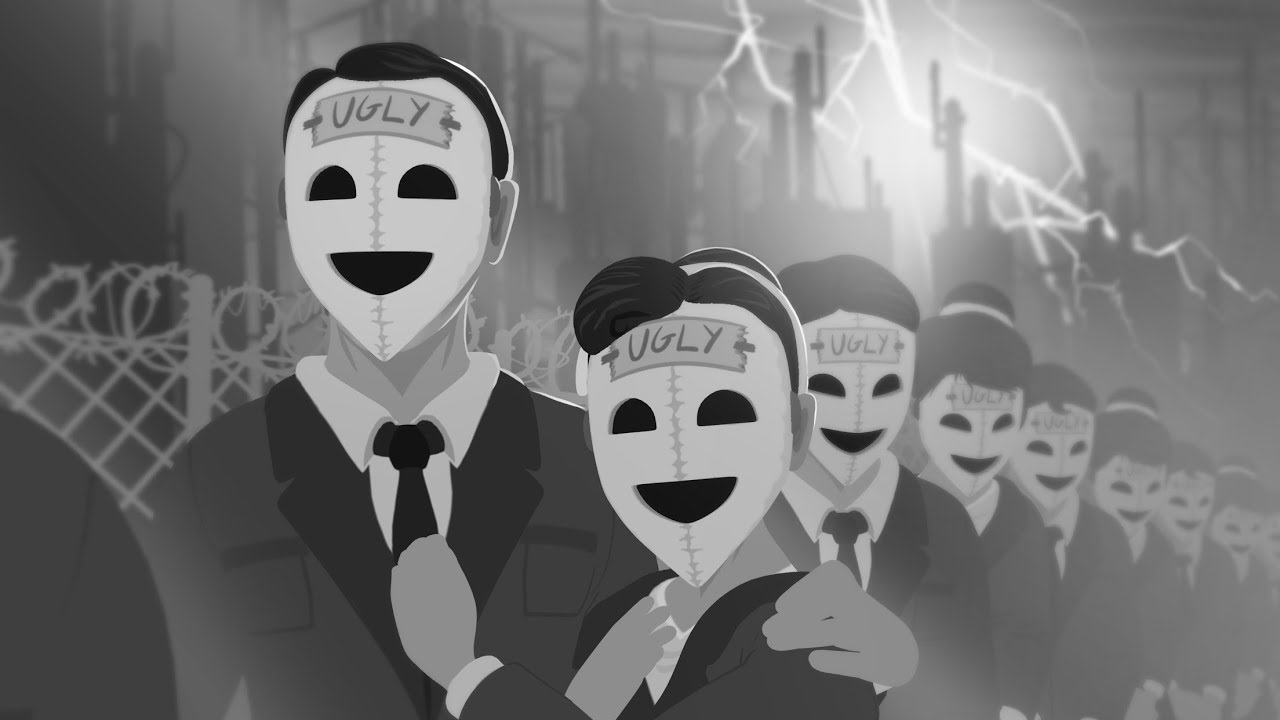
Page 1: Defining the "Model" The lesson opens by exploring the everyday meaning of a "model" as an ideal example to follow or imitate. Students answer relatable, lighthearted questions to define ideal scenarios, such as a "model excuse" for being late, a "model pizza topping," or a "model citizen." This sets a clear, conversational foundation before introducing the core theme of societal expectations and perfection. Page 2: The Four Tendencies & Audio Task Students are introduced to Gretchen Rubin’s "Four Tendencies" framework, which categorizes people by how they respond to inner and outer expectations. They review the four types: Upholder (meets both), Questioner (questions all), Obliger (meets outer, resists inner), and Rebel (resists both). Students match descriptive adjectives (e.g., analytical, disciplined, free-spirited, dutiful) to the correct tendency. They then listen to an audio track featuring four speakers (Leo, Sarah, Ravi, and Emma) and match each speaker to their corresponding personality type based on their habits and attitudes toward rules. Page 3: "Model Citizen" Short Film & Dystopia The class watches the 5-minute animated short film Model Citizen by David James Armsby, set in the eerie town of Autodale. Students discuss the Robinson family’s strict adherence to rules and the removal of "broken" citizens. They complete a summary gap-fill task using target vocabulary (rigid, dystopian, individuality, grim, enforcers, societal, monochromatic). Finally, students read real YouTube comments on the film and engage in a thoughtful discussion on the balance between following societal rules and maintaining personal individuality, asking whether true horror is not knowing that something is wrong. 📄 Inside This Lesson Pack 💬 Core Discussion Prompts & Speaking Activities The Model Standard: What is a "model excuse" for being late? What is a "model way" to ask for a raise? Personality Self-Assessment: Which of the Four Tendencies (Upholder, Questioner, Obliger, Rebel) best describes you? Can you give examples from your life? Dystopian Reality: In your culture or community, are there rules or expectations you follow without questioning? Why do people sometimes accept harsh systems? Individuality vs. Rules: How would you guide a younger person to balance following rules with being true to themselves? 🧠 Target Lexicon & Vocabulary Focus Personality Types: Upholder, Questioner, Obliger, Rebel. Descriptive Adjectives: Analytical, skeptical, independent, efficient, resistant, free-spirited, unconventional, defiant, disciplined, reliable, structured, rule-abiding, responsive, dutiful, accommodating, people-pleasing. Dystopian Vocabulary: Rigid, dystopian, individuality, grim, enforcers, societal, monochromatic, compliance, brainwashed, utopia. 🎧 Multimedia & Authentic Materials Included Page 2 Audio Task: A targeted listening exercise featuring four speakers (Leo, Sarah, Ravi, Emma) describing their habits, requiring students to map them to the correct "Four Tendencies" category. Page 3 Video Task: The animated short film Model Citizen (2020) by David James Armsby, depicting the Robinson family in the conformist town of Autodale. YouTube Comment Analysis: Real viewer reactions (e.g., "The perfect dystopia is one where everybody thinks it's a utopia") used to spark debate on control and awareness. ⚠️ Critical Thinking Extension Work Gap-Fill Summary: Students actively apply target vocabulary to complete a detailed summary of the Model Citizen plot, reinforcing understanding of dystopian themes. The "Prison" Metaphor: Analyzing the comment "The only way to prevent a prisoner from escaping is for them to never realize they are in prison" and discussing how this applies to modern social pressures and self-imposed limitations.
This lesson is designed to fit within a single 90 min session. Both audio and video components are included, which also works well for homework-based or asynchronous practice.
Watch the Video
What's Included
PDF handout, audio materials (MP3), video links, full downloadable package (RAR). Everything you need to run this lesson is ready to download — zero preparation required.
Who Is This For?
This lesson plan is designed for online ESL tutors working with adult learners at B1-B2 level. It uses a conversation-driven approach with authentic materials to keep adult students genuinely engaged throughout the session.
You may also like
Looking for more ESL lesson plans for adult learners? Browse our full library of 100+ conversation-driven plans.
Browse All Lesson Plans →Free PDF, audio and video included for free lessons